AGP Executive Report
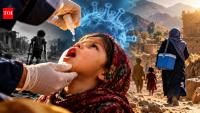
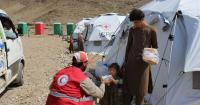
Last update: 4 hours agoForest Protection: Police in Badghis arrested six people suspected of illegal logging in Jawand and Tagab-e-Alam, renewing attention to pressure on Afghanistan’s tree cover. Children and Climate: UNICEF says millions of Afghan children face several hazards at once, including drought, floods and heatwaves; wildfires and dust storms also threaten access to safe water, healthcare and sanitation. Urban Pollution: Air pollution in Kabul is rising as winter approaches, a growing concern for residents. Safe Water: More than 39,000 people in Afghanistan have gained access to safe drinking water, according to a UN report.
Note: AI summary from news headlines; neutral sources weighted more to help reduce bias in the result. Feedback is welcome. Please let us know if you have any comments or suggestions about the AGP Executive Report.
 Perspectify News